
How Much Does Insurance Go Up After a Car Accident in Philadelphia
 By Eric Rayz
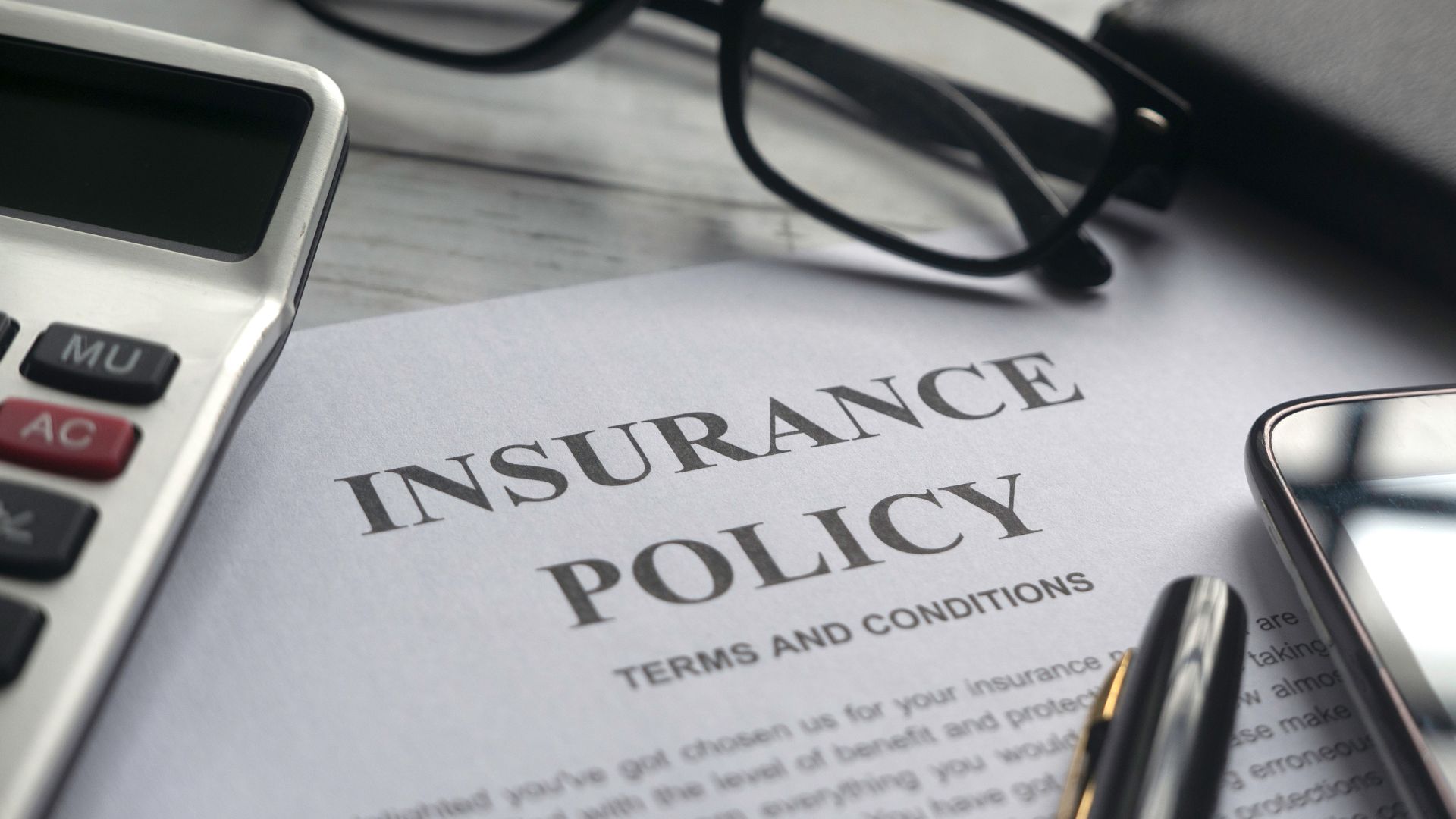
A car accident can leave you with more questions than answers, especially when it comes to your insurance. One of the most common concerns is whether your insurance will increase after a crash in Philadelphia.
Factors such as who was at fault, the severity of the accident, and your insurance company’s policies can all play a role. If you were injured, you may also have questions that go beyond your insurance policy, and a Philadelphia car accident lawyer can often help you navigate the claims process and address complex insurance concerns.
Does Your Insurance Always Go Up After a Car Accident?
No. While many drivers expect their premiums to increase after any collision, that isn’t always what happens. Insurance companies evaluate claims differently, and the circumstances surrounding the accident often matter just as much as the accident itself.
For example, an at-fault crash is generally more likely to affect your premium than one caused by another driver. Some insurers also offer accident forgiveness or have underwriting guidelines that reduce the impact of a first-time claim. If another driver’s insurance ultimately pays for your damages, that may also influence how your own insurer evaluates the claim.
What Factors Can Affect Your Insurance Premium?
There isn’t a standard increase that applies after every car accident. Instead, insurance companies evaluate a variety of factors when deciding whether a driver’s premium should change. While each insurer has its own underwriting practices, several considerations are commonly taken into account:
- Fault: Drivers who are found to be at fault for an accident are generally more likely to see their premiums increase than those who were not responsible.
- Severity of the Accident: A crash involving significant property damage or serious injuries may have a different impact than a minor collision.
- Your Driving Record: A driver with a long history of safe driving may be evaluated differently than someone with multiple accidents or traffic violations.
- Previous Insurance Claims: Insurance companies often look at your overall claims history, not just the most recent accident.
No single factor determines whether your premium will increase. Insurance companies evaluate claims differently, which is why two drivers involved in similar accidents may have very different experiences after filing a claim.
What if You Disagree With Your Insurance Company’s Decision?
If your insurance premium increases after an accident, you don’t necessarily have to accept the decision without asking questions. Contacting your insurance company can help you understand why your rates changed.
It’s also a good idea to review your policy and confirm that the information used to evaluate your claim is accurate. If you believe the accident was incorrectly classified or that your driving record contains an error, bringing those issues to your insurer’s attention may help resolve the problem.
If you’re still unhappy with the outcome, you may wish to compare quotes from other insurance companies. Premiums and underwriting practices vary from one insurer to another, so shopping around may help you find coverage that better fits your needs.
How Does Pennsylvania’s No-Fault Insurance System Affect Insurance Rates?
Pennsylvania follows a no-fault insurance system, but that doesn’t necessarily mean an accident won’t affect your insurance premiums. The term “no-fault” simply means that your own Personal Injury Protection (PIP) coverage helps pay for certain medical expenses after a crash, regardless of who caused it.
When it comes to insurance premiums, fault can still matter. Insurance companies may consider who was responsible for the accident, along with other factors such as the severity of the crash and your claims history, when evaluating future risk. While a not-at-fault accident may be less likely to result in a premium increase, there is no rule that guarantees your rates will remain the same.
"Our intent was to serve the community we grew up with, that trusted us. To make sure no one is taken advantage of."
Do I Need to Report My Car Accident?
Many drivers hesitate to report an accident because they’re worried it could lead to higher insurance premiums. However, failing to notify your insurance company can create other problems.
Most auto insurance policies require policyholders to report accidents within a reasonable period of time, even if another driver appears to be at fault. Prompt reporting gives your insurer the opportunity to investigate the crash, document the damage, and respond if questions about liability arise later.
Even what seems like a minor accident can become more complicated over time. Vehicle damage may be more extensive than it first appears, or injuries may not become apparent until days after the collision. Reporting the accident helps establish a record of what happened and can make the claims process smoother if additional issues develop.
If you’re unsure whether you should report a crash, reviewing your insurance policy or speaking with your insurance company can help you understand your obligations.
When Should You Consider Speaking With a Lawyer?
Not every car accident requires legal representation. However, if you were injured in the crash or the insurance process becomes more complicated than expected, speaking with a lawyer may be worthwhile.
For example, you may have questions if the insurance companies disagree about who was at fault, your injuries require ongoing medical treatment, or you’re being asked to provide recorded statements or extensive documentation. In some cases, injuries that initially seem minor become more serious in the days or weeks after the accident, making it difficult to know how to move forward.
A lawyer can help explain the claims process, communicate with insurance companies on your behalf, and work to protect your interests while your claim is being resolved. That can allow you to focus on your recovery instead of navigating complex insurance issues on your own.

When Insurance Questions Become Legal Questions, Call Us
Worrying about higher insurance premiums is understandable, but for many people, it’s only one of the challenges that follow a car accident. If you’ve been injured because of someone else’s negligence, you may also be dealing with mounting medical bills, time away from work, and an insurance company that is focused on protecting its own interests.
At Kalikhman & Rayz, we believe the best way to stand up to insurance companies is through preparation, persistence, and a genuine commitment to every client we represent. We take the time to build strong cases, anticipate challenges, and pursue the best possible outcome without cutting corners. If you’ve been injured in a Philadelphia car accident, contact Kalikhman & Rayz for a free consultation.


You Might Also Like
12 Things to Do After Being Involved in a Car Accident
Sep 2, 2026

Understanding the Timeline of a Philadelphia Car Accident Claim
Jul 22, 2026

What to Expect After a Car Accident in Philadelphia
Jul 2, 2026
How Much Does a Car Accident Lawyer Cost in Philadelphia
Jul 30, 2026

When Is It Too Late to Get a Lawyer After a Car Accident in Philadelphia?
Oct 2, 2026

Can Degenerative Disc Disease Be Aggravated By A Car Accident?
Jul 2, 2026

What to Do After an Accident in a Leased Car (That Wasn’t Your Fault)
Oct 2, 2026

How to Defend Against a Car Accident Injury Lawsuit in PA
Jul 2, 2026

How Do I Access Traffic Camera Footage After an Accident in PA?
Jul 28, 2026

Can Someone Sue After a Car Accident Is Settled?
Jul 2, 2026