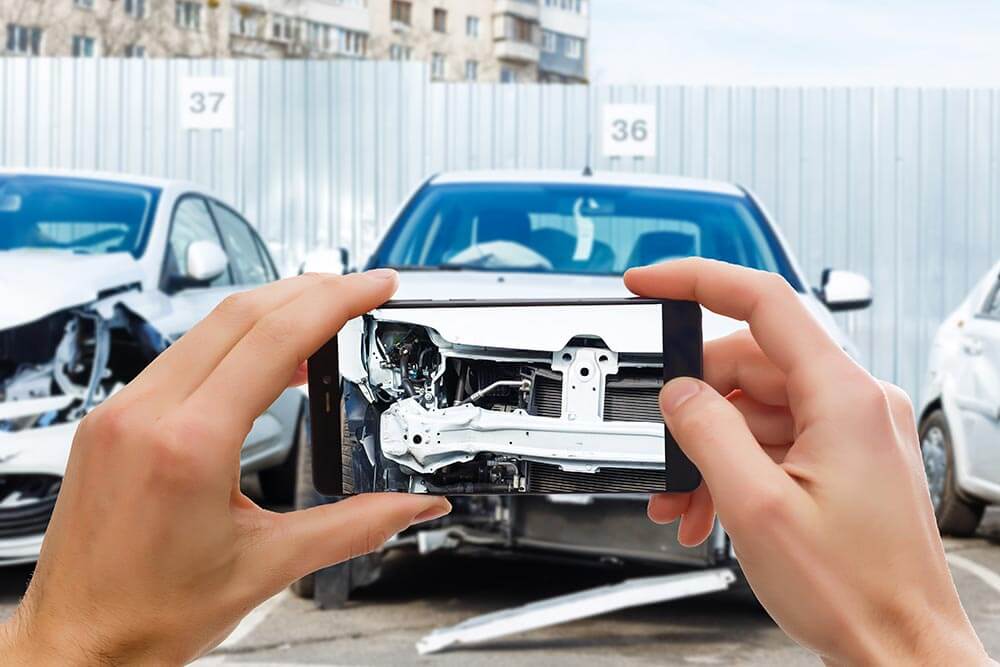
Pennsylvania Car Insurance Requirements
 By Eric Rayz

Every Pennsylvania driver who registers a vehicle must carry specific types and amounts of auto insurance. These requirements aren’t easy to sidestep, either. If you cancel your policy, your insurance company must notify the Pennsylvania Department of Transportation (PennDOT), which can lead to suspension of your vehicle registration.
Most people think about these rules only when they’re buying a policy, but they become far more important after a crash. The coverage you carry, the coverage the other driver carries, and the choices made when each policy was purchased can all shape the options available to an injured person. As Philadelphia car accident lawyers, we often meet clients who are surprised to learn how quickly the at-fault driver’s coverage runs out, or that their own policy includes benefits they didn’t know they had.
Mandatory Minimum Auto Insurance Requirements in PA
Pennsylvania’s Motor Vehicle Financial Responsibility Law sets the minimum coverage every registered vehicle must carry. Whether you’ve driven here for decades or just moved to the state, your policy must include at least the following:
- Bodily injury liability: $15,000 for injury or death of one person and $30,000 for injury or death of more than one person in a single accident. This coverage pays others who are hurt in a crash you cause.
- Property damage liability: $5,000 per accident for damage you cause to another person’s vehicle or property.
- First-party medical benefits: At least $5,000 in medical coverage for you and others insured under your policy, paid regardless of who caused the crash.
Meeting the legal minimum keeps a driver on the road, but it doesn’t always provide enough protection after a serious crash. Emergency care and follow-up treatment can exhaust first-party medical benefits quickly, and significant injuries often require care that extends well beyond what a minimum policy was designed to cover. That’s one reason the optional coverages deserve a closer look.
How Pennsylvania’s Tort Options Work
Pennsylvania is often described as a no-fault state, but that doesn’t mean fault stops being relevant after a crash. Your own first-party benefits pay certain medical bills no matter who caused the accident, yet you can still pursue a claim against an at-fault driver. How far that claim can go depends partly on a choice made when your policy was purchased.
Under 75 Pa.C.S. § 1705, every policyholder must choose between full tort and limited tort. Full tort preserves your right to seek compensation for all of your losses, including pain and suffering. Limited tort lowers your premium in exchange for restricting that right.
With limited tort, you can generally still recover economic losses like medical bills and lost wages, but compensation for pain and suffering is usually available only if your injury qualifies as a “serious injury” under state law, meaning death, serious impairment of body function, or permanent serious disfigurement.
Limited tort does have exceptions. Still, many drivers choose it to save money without realizing what they’ve given up, and the election generally applies to members of their household as well.
Optional Auto Insurance in Pennsylvania
Beyond the minimums, insurers offer a range of additional coverages. Some protect your vehicle, while others protect you if you’re injured and the other driver’s insurance falls short.
Uninsured and Underinsured Motorist Coverage
Uninsured motorist (UM) coverage protects you and your passengers if you’re hit by a driver with no insurance, while underinsured motorist (UIM) coverage applies when the at-fault driver’s policy isn’t enough to cover your losses. Because many drivers carry only the coverage the law requires, UIM coverage often becomes important after a serious crash.
Insurers must offer both coverages under 75 Pa.C.S. § 1731, but drivers can reject them in writing. If you have more than one vehicle on your policy, stacking may allow you to combine your UM or UIM limits for each vehicle, unless you waived stacking when you purchased the policy.
Additional First-Party Benefits
Drivers who want more protection for their own medical care can raise their first-party benefits well beyond the required minimum. Under 75 Pa.C.S. § 1715, insurers must make medical benefits of at least $100,000 available. For catastrophic injuries, extraordinary medical benefits pay medical and rehabilitation costs that exceed $100,000, providing up to $1 million in coverage above that threshold. Other optional first-party benefits include income loss coverage, which replaces a portion of lost wages regardless of fault, along with funeral and accidental death benefits.
Coverage for Your Vehicle
Collision coverage pays to repair your car after a crash, while comprehensive coverage handles damage from non-collision events like theft or severe weather. If you finance or lease your vehicle, your lender may require both. Drivers can also add smaller coverages, such as rental reimbursement, towing, or gap insurance, which covers the difference between what you owe on a vehicle and what it’s worth if it’s totaled.
"The outcome of a case often comes down to preparation. We build every claim as if it may go to trial."
What Happens if Drivers Do Not Comply With PA Car Insurance Requirements?
Driving without insurance in Pennsylvania violates 75 Pa.C.S. § 1786 and carries a minimum $300 fine. A conviction also brings a three-month suspension of a driver’s license, along with a three-month suspension of the vehicle registration, during which no one may drive the vehicle.
Getting back on the road requires paying restoration fees for both the license and the registration, which PennDOT updates periodically. PennDOT allows owners to pay a $500 civil penalty instead of serving the registration suspension, but that option is available only once every 12 months.
The consequences extend beyond fines. An uninsured vehicle owner who is hurt in a crash generally can’t collect first-party benefits and is treated as having chosen limited tort, even if someone else caused the accident. An uninsured driver who injures someone may also face a lawsuit with no insurance company to defend them or pay a judgment.
What if the Driver Who Hit You Was Uninsured or Underinsured?
Learning that the other driver had no insurance, or far too little, can make recovery feel out of reach. In many cases, though, your own policy becomes the starting point. Your first-party medical benefits apply regardless of fault, so they can begin covering treatment while questions about the other driver are sorted out.
If you carry UM coverage, it can step in where the uninsured driver’s liability coverage would have. When the at-fault driver’s limits fall short, UIM coverage may help close the gap. Being hit by an uninsured driver can also change your rights under limited tort, since those restrictions generally don’t apply when the at-fault driver lacked required insurance.
For people with no available coverage, the Pennsylvania Financial Responsibility Assigned Claims Plan may provide limited benefits to those who meet its eligibility requirements. You can also file a lawsuit against an uninsured driver directly, but collecting a judgment from someone without insurance can be difficult. Figuring out which of these paths applies, and in what order, is often easier with guidance from an attorney who handles these claims regularly.

Get Clear Answers About Your Coverage After a Crash
Insurance policies are written in language most people never expect to need, and after an accident, you’re often asked to make decisions about your claim before you’ve had time to understand what your coverage includes. An adjuster’s explanation may sound final, but it’s only one side of the conversation.
At Kalikhman & Rayz, we take the time to review what coverage may be available to you and handle communication with insurance companies so you can focus on your recovery. If you’re unsure how to approach these conversations after an accident, contact Kalikhman & Rayz for a free consultation. Our team is available 24 hours a day through our live answering service.


You Might Also Like
What to Do After an Accident in a Leased Car (That Wasn’t Your Fault)
Nov 12, 2026
Someone Borrowed My Car and Got in an Accident. What Happens Now?
Nov 12, 2026

Can I Lose My House Due To An At-Fault Car Accident in Pennsylvania?
Nov 12, 2026

Can You Claim Your Car Accident Without a Police Report?
Nov 12, 2026

How Much Does Insurance Go Up After a Car Accident in Philadelphia
Nov 10, 2026
12 Things to Do After Being Involved in a Car Accident
Nov 10, 2026

Understanding the Timeline of a Philadelphia Car Accident Claim
Nov 10, 2026

What to Expect After a Car Accident in Philadelphia
Nov 10, 2026
How Much Does a Car Accident Lawyer Cost in Philadelphia
Jul 30, 2026
When Is It Too Late to Get a Lawyer After a Car Accident in Philadelphia?
Oct 2, 2026