
What You Need to Know About PA Pain and Suffering Damages
 By Eric Rayz
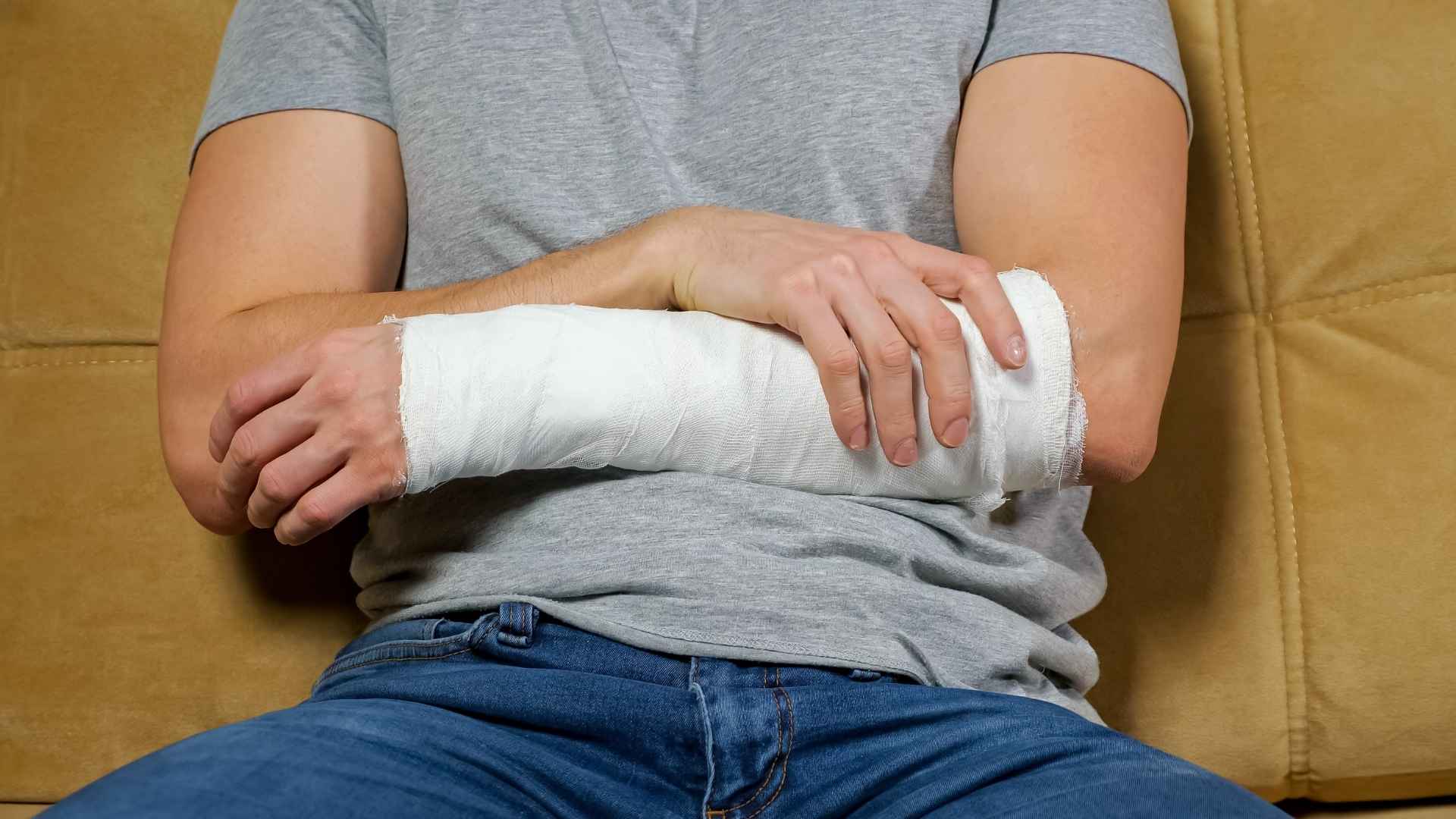
Getting injured in a car crash or being bitten by a dog both fall under the category of personal injury and can be equally traumatic, but the laws surrounding these incidents and the damages you could potentially recover differ greatly in Pennsylvania.
We at Kalikhman & Rayz, the personal injury lawyers in Montgomery County, PA, know Pennsylvania law and have created a brief overview of pain and suffering and statutory rules of which any PA resident should be aware.
Pain & Suffering Distinctions
Whether or not someone purposefully causes you injury, if you have experienced any type of pain and suffering as a result of their actions, you may be entitled to compensation for damages.
In law, “pain and suffering” is defined as the physical or mental distress suffered from an injury. This definition is relatively broad and famously subjective, which makes suing for damages challenging, and the 2-year statute of limitations for PA only adds to the challenge.
To combat the vagueness of the terms’ definition, the law splits pain and suffering damages into two categories: Economic (or Special) & Noneconomic (or General) Damages.
Economic Damages or Special Damages
Special Damages, also commonly referred to as economic damages, include every loss that has a financial value. Some of the most common types of economic damages awarded in personal injury lawsuits include:
- Vehicle replacement or repair costs
- Lost wages
- Employee benefits packages, including health insurance and 401(k) contributions for paid time off
- Healthcare expenses, including hiring a home health aide, the cost of medical equipment or devices, accommodations to your home, ongoing medical treatment, and future medical care or other out-of-pocket healthcare costs
You may also be entitled to compensation for any expenses paid for household maintenance or child care due to the extent of your injuries or loss of household support.
Non-Economic Damages or General Damages
Non-economic damages do not have a financial value and are more challenging to quantify. When you are seeking pain and suffering damages, these are considered non-economic losses. These losses are entirely subjective, which means every person’s life is affected differently by their impact. Examples of general damages or non-economic damages, including pain and suffering, involve the following:
- Loss of spousal companionship
- Emotional or mental anguish
- Chronic physical pain
- Embarrassment and shame
- Fear, shock, and anticipation
- Apprehension and indignity
- Inconvenience and damage to your reputation
- Disfigurement and skin scarring
Although these categories do help to pinpoint the exact type of pain and suffering a victim experiences, it does not measure the amount of pain and suffering, which is essential to recovering damages. Unfortunately, measuring how much pain and suffering has been experienced makes everything a bit cloudy again.
"The outcome of a case often comes down to preparation. We build every claim as if it may go to trial."
Pain and Suffering Statute of Limitations
The law is clear under 42 Pa. Cons. Stat. § 5542. Here, when you are filing a claim for pain and suffering, you must do so through a personal injury lawsuit. The law states he will have a maximum of two years from the accident date in most cases to file your claim. However, there may be instances in which the statute of limitations is temporarily paused or tolled.
For example, if your minor child suffered pain and suffering after being attacked by a dog, the statute of limitations may not start counting down until your child reaches 18 years of age and expire two years later. However, if you are not sure how much longer you have to file your personal injury lawsuit, it is imperative to discuss your concerns with your attorney. Otherwise, you may be putting your pain and suffering lawsuit in jeopardy, as the Pennsylvania civil court system will refuse to hear claims once the statute of limitations deadline passes.
Proving the Value of Your Pain and Suffering Damages
In the courtroom, the presiding judge will not ask: Did you sustain the injury from the incident? How much does your arm hurt? They will use your answers as the basis for their judgment.
Since two different people could suffer the same injury and experience completely different levels of pain, you will need court-admissible proof, such as:
- Personal journal entries that describe the various ways your life has been affected by your pain and suffering and injuries
- Medical testimony from your healthcare providers, including medical records and formal documentation of the severity of your injuries
- Statements from friends and family that will describe how they have noticed your life has been impacted by your injuries, pain, and suffering
- Photos and video of your injuries
The jury will then use that evidence in conjunction with other information, including your age, injury type, and the effects of the injury on your well-being and daily life, to determine the damages you have a right to recover in your personal injury lawsuit and insurance claims.

Damages Caps & Limitations in PA
In the Keystone State, damage claims for past or future pain are usually easier to make than claims for other non-economic damages, but there are a few limitations to personal injury claims that can have negative effects on your eligibility for damages compensation. Take a look at the different limitations for pain and suffering damages claims in Pennsylvania:
- Pennsylvania law states under Title 42 § 8528 that there is a maximum amount of $1 million per claim and $250,000 per occurrence one filing a personal injury lawsuit against the Commonwealth of Pennsylvania government.
- There is a $500,000 cap on the maximum amount of compensation that can be awarded when filing a claim against a local government agency.
- You may face limitations on the amount of compensation you can be awarded in punitive damages, as Pennsylvania law, under 40 Pa. Stat. § 1303.505 caps your punitive damages at two times the amount of your compensatory damages.
Meet With a Reputable Pennsylvania Personal Injury Lawyer Today
We at Kalikhman & Rayz, are proud to serve as top personal injury lawyers in Philadelphia. If you have any questions about PA personal injury law or need powerful legal representation in the Greater Philadelphia area, give us a call today or complete our quick contact form to schedule your free consultation and get started on your claim for pain and suffering damages.


You Might Also Like
What You Should Do If You Have a Personal Injury Case
Oct 2, 2026

How to Report an Accident to Insurance in Philadelphia
Jul 30, 2026

Go Bald or Go Broke
Oct 2, 2026

Lawrence Kalikhman, Esquire Selected as LCA Fellow
Oct 2, 2026

Eric Rayz and Lawrence Kalikhman Bring Future Success for Our Law Firm
Oct 2, 2026